What Is a Done-For-You AI Agent Service for SMBs?
Learn what a done-for-you AI agent service is, how it beats chatbots, and how SMBs use it for follow-up, support, and admin—without hiring.
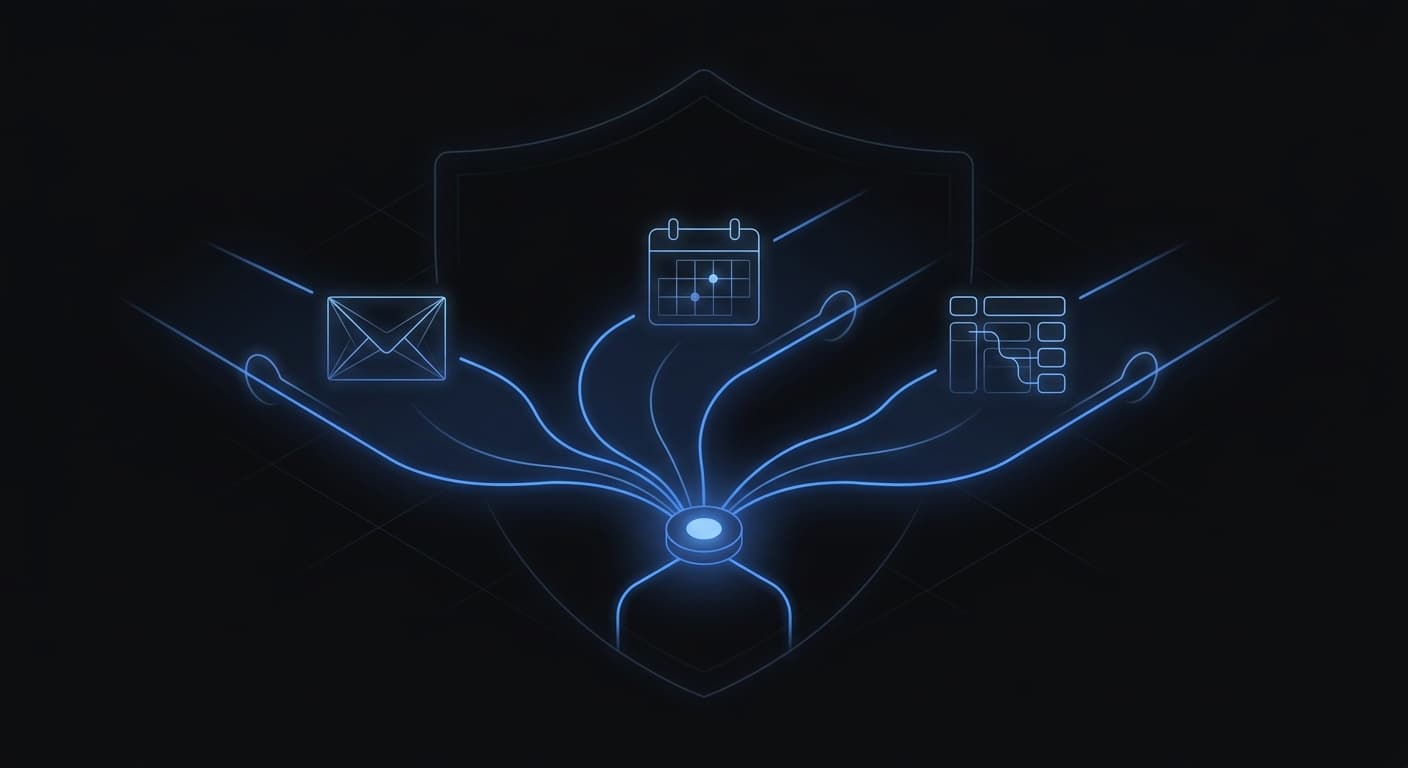
What Is a Done-for-You AI Agent Service for Small Businesses?
If you run a small business, you already know the real problem is not “ideas.” It is follow-up, scheduling, and admin work that piles up when you are busy serving customers.
A done-for-you AI agent service is a managed service that builds and runs an AI agent for your business so leads get a fast response, customers get help, and your systems stay updated without you hiring another person.
The Core Problem: Work Falls Through the Cracks
Small business operations break down in predictable places:
- Leads come in after hours, and you respond the next day.
- Appointment reminders go out inconsistently, so no-shows and last-minute cancellations spike.
- Customer questions pile up in email, texts, and DMs.
- Someone has to copy details into your CRM, calendar, or project tool, and it does not happen every time.
Fast response matters more than most owners realize. One large lead-response study found conversion rates dropped 8x after just five minutes.[1]
When you do not have a dedicated front-desk or sales admin, you feel that pain immediately.
What “Done-for-You” Really Means (and What It Is Not)
Most owners have tried a few “automation” tools. They can help, but they still leave you doing the hard parts: mapping the workflow, connecting systems, writing prompts, and fixing things when they break.
A done-for-you AI agent service typically includes:
- Workflow design: Someone translates your real process into steps an agent can follow.
- Setup and integration: The agent connects to the tools you already use (email, calendar, CRM, forms, website chat).
- Testing and guardrails: The agent is limited to the tasks you approve.
- Ongoing management: You get improvements over time, instead of a one-time setup that slowly decays.
It is also not the same thing as:
- A basic chatbot: A chatbot often answers questions. An agent is designed to take action (for example, scheduling, updating records, or routing requests) when it is safe to do so.[2]
- A one-off Zap: Simple automation follows rules. Agents can handle messy, real-world inputs and still follow your boundaries.[2]
How AI Agents Solve This (in Plain English)
Think of an AI agent like a dependable assistant with a clear job description.
It watches for specific events, like a new website form submission, a new voicemail transcript, a missed appointment, or an unanswered email. Then it follows your rules to take the next step.
The biggest difference between an agent and “another tool” is that the agent can:
- Understand the request in normal language.
- Pull context from your allowed sources.
- Take the right next action, not just send a canned reply.
For example, Microsoft describes agents as systems that can tackle tasks “with you or for you,” including operational work like reconciling information or handling repetitive business processes.[3]
What This Looks Like in Practice
Here are a few practical, non-hype examples of how a done-for-you AI agent service shows up in day-to-day operations.
1) Lead follow-up that happens in minutes, not “when you get to it”
- A lead fills out your form.
- The agent sends a helpful first response right away.
- It asks 2 to 4 qualifying questions.
- It books a call on your calendar (or routes the lead to the right person).
That speed directly protects revenue when you are busy. Again, research cited by InsideSales shows a major conversion drop after five minutes.[1]
2) Appointment reminders and rescheduling that reduce no-shows
- The agent sends reminders by text or email.
- If the client replies “I need to reschedule,” the agent offers open times and confirms.
- It updates your calendar and internal notes.
Even basic scheduling automation can reduce missed appointments and improve retention by keeping clients engaged.[4]
3) Customer support triage that does not eat your afternoons
- A customer emails a question.
- The agent answers common questions instantly.
- It gathers the missing details for harder requests and escalates with a clean summary.
Customer service agent platforms increasingly emphasize that agents should resolve requests end-to-end when integrations allow it, not just “chat.”[5]
💡 Fast follow-up is not a “nice to have.” InsideSales reports conversion rates can drop 8x after five minutes when lead response is slow.[1]
What to Look for in an AI Agent Service
If you are evaluating providers, focus on what will actually matter after week one.
- Clear scope: The agent should have a narrow job (lead follow-up, intake, reminders), not vague “do everything” promises.
- Integration depth: The agent is only useful if it can safely connect to the systems where the work happens (calendar, CRM, inbox). Deeper integrations usually mean higher automation rates.[5]
- Guardrails and approval paths: You should be able to decide what the agent can do automatically and when it must hand off.
- Real setup help: If you are doing all the workflow mapping and troubleshooting, it is not really done-for-you.
- Ongoing iteration: Your business changes. The agent should improve monthly based on real conversations and edge cases.
Final Thoughts
A done-for-you AI agent service is for owners who want the outcome, not another dashboard. You get reliable follow-up, cleaner operations, and fewer things slipping through the cracks.
If you want to see what a done-for-you AI agent service could handle in your business, start with one workflow you already know is leaking money or time: lead follow-up, appointment reminders, or customer support triage.